Siding Installation
Siding that seals the wall and holds its finish.
Full siding replacement with LP SmartSide engineered wood or fiber cement, installed over a proper weather barrier with every opening flashed.
What does a siding replacement actually involve?
Siding replacement starts with a full tear-off and sheathing inspection, then a weather-resistant barrier, then panels fastened to allow thermal movement without buckling. LP SmartSide engineered wood and fiber cement both hold up to Twin Ports moisture and freeze-thaw cycles. Most homes finish in one to two weeks.
Overview
Protection first, appearance second
Siding is the part of the wall assembly that takes the weather. Covenant Builders installs siding systems that seal out drafts, resist warping and cracking through deep cold, and hold up to the wet-then-frozen cycling that defines spring and fall in the Twin Ports. The appearance upgrade is real, but the reason to do the work is what it does to the wall.
This is for homeowners replacing deteriorated wood siding, dealing with peeling paint that will not stay on, or preparing an older home for long-term weather resistance. Soft spots in the wall, visible gaps and boards that have cupped away from the sheathing all point the same direction.
Scope
What a siding project includes
- Tear-off and disposal of existing siding and trim
- Sheathing inspection, with damaged sections replaced
- Weather-resistant barrier over the full wall
- Flashing at every window, door and penetration
- Siding installed to allow thermal movement without buckling
- Corner posts, trim and finish detail
- Daily jobsite cleanup and protected material storage
Openings are where siding fails. The flashing sequence matters more than the panels.
How it is done
Materials and methods that improve insulation and curb appeal
Installation starts with removing the old material and inspecting the sheathing underneath for rot, water damage or structural issues. Anything compromised is repaired before new siding goes on, because siding fastened to soft sheathing will not hold and covering damage simply traps the moisture that caused it.
A weather-resistant barrier goes over the sheathing, and the siding is fastened using methods that allow the material to expand and contract with temperature without buckling. Trim around windows, doors and corners is fitted to shed water rather than collect it, and flashing directs water out and away from the framing at every opening.
Openings are where siding jobs fail. Head flashing above windows and doors, correct lap sequence and tight trim are what keep water out of the wall, which is why that detailing gets more attention than the panels themselves.
Siding material comparison
How the common siding options behave through Twin Ports freeze-thaw cycling.
| Material | Maintenance | Cold-climate notes |
|---|---|---|
| LP SmartSide engineered wood | Repaint every 10 to 15 years | Treated engineered wood. Handles impact well and holds paint far longer than traditional wood. |
| Fiber cement | Repaint every 10 to 15 years | Very stable and non-combustible. Heavy, and cutting requires dust control. |
| Vinyl | Rinse only | Lowest cost and no repainting. Becomes brittle in deep cold and is more prone to impact cracking. |
| Traditional wood | Repaint every 5 to 7 years | Authentic on historic homes. Highest maintenance load in a wet climate. |
Materials we install




- Malarkey Roofing Products
- LP SmartSide ExpertFinish trim and siding
- CertainTeed roofing and siding products
- VELUX skylights
Recent work
Siding Installation projects
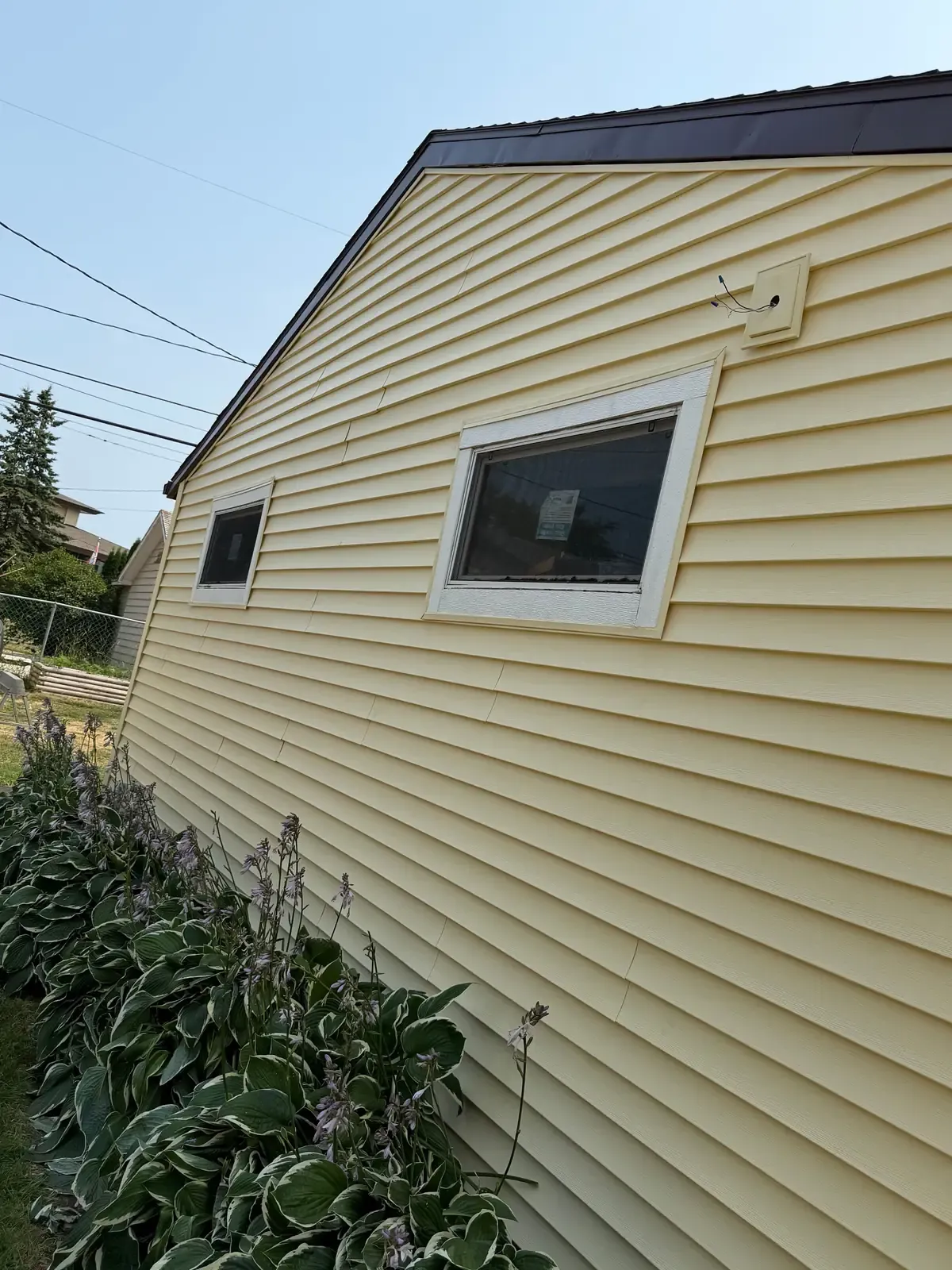
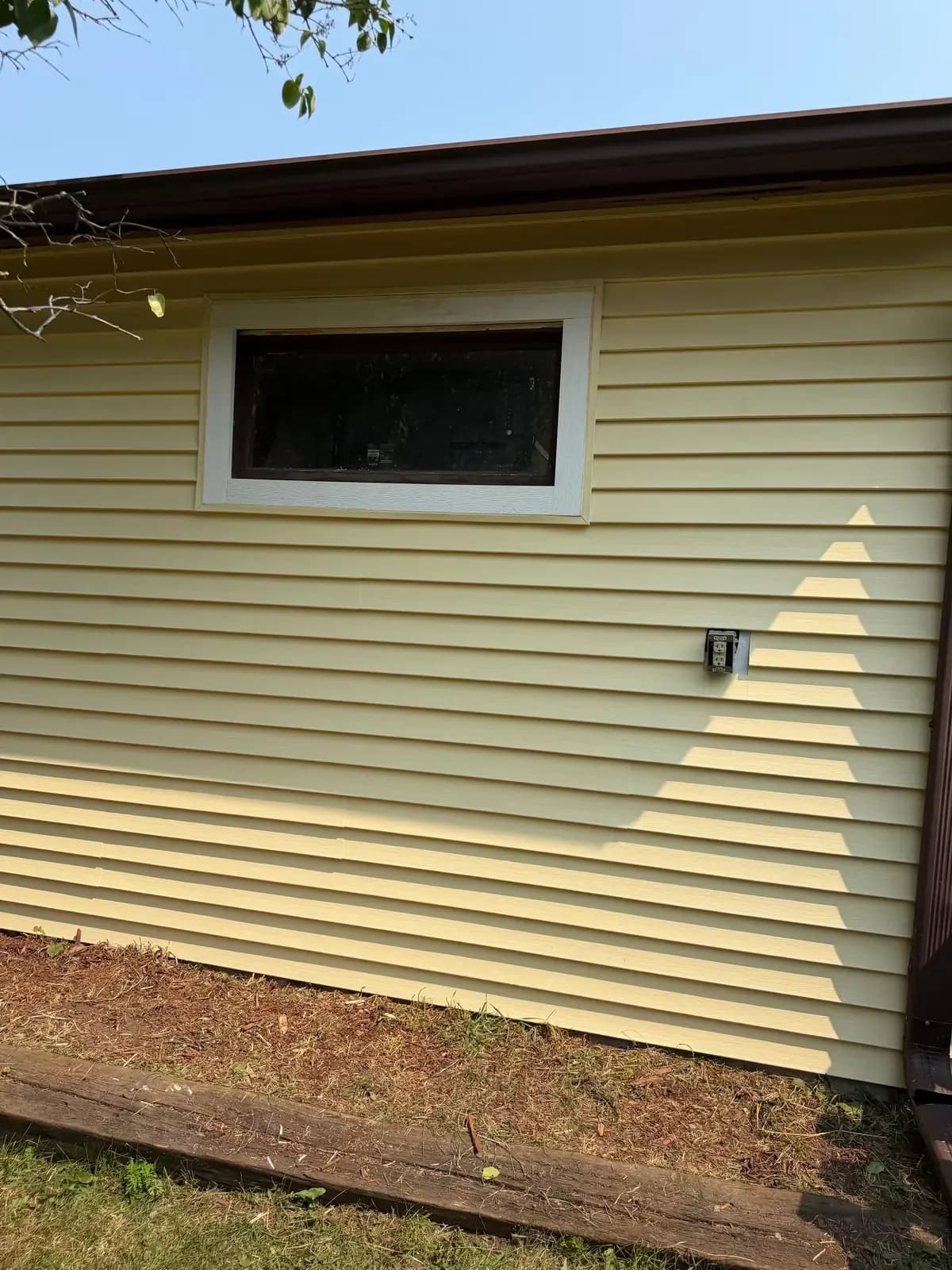
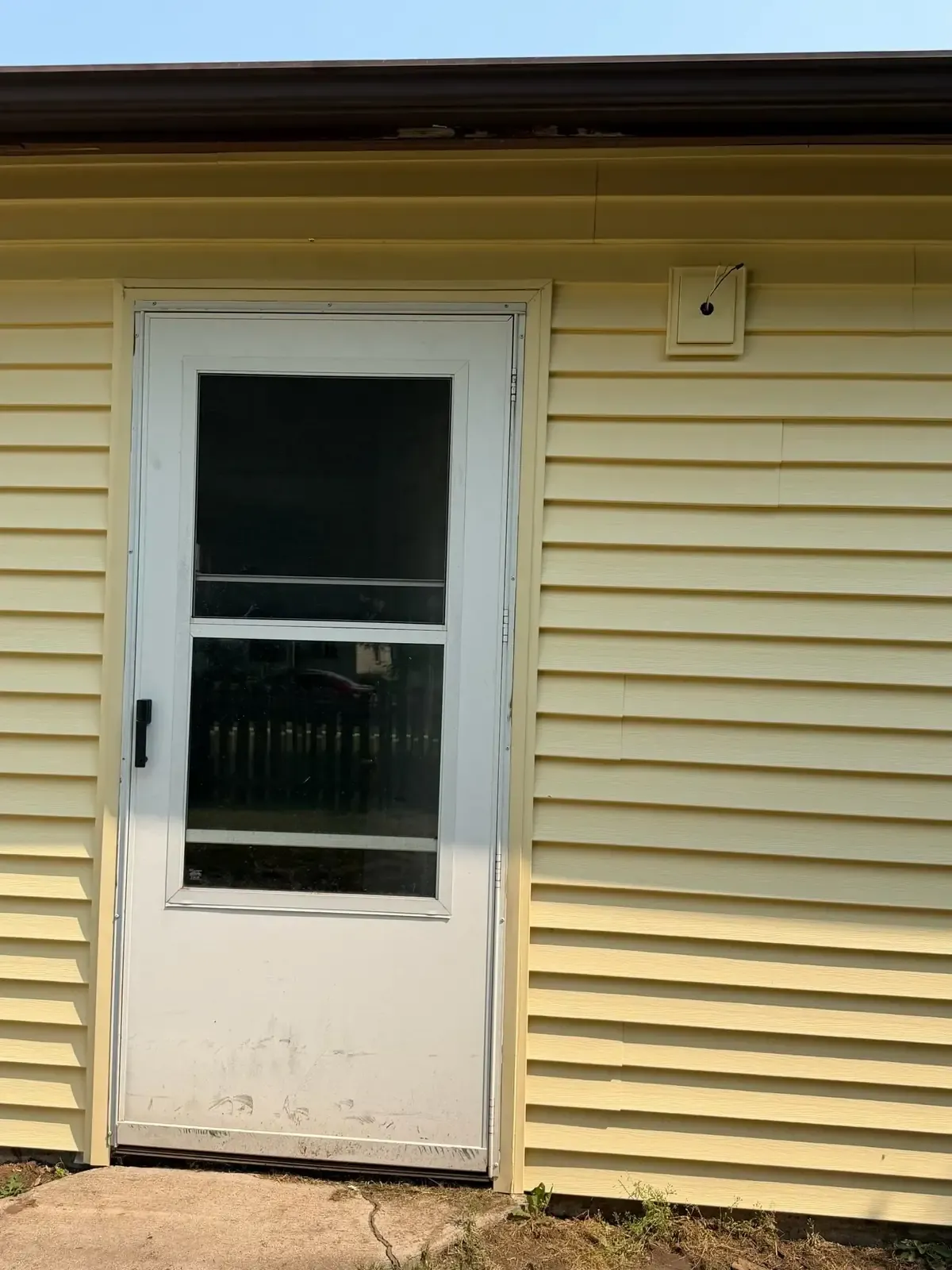
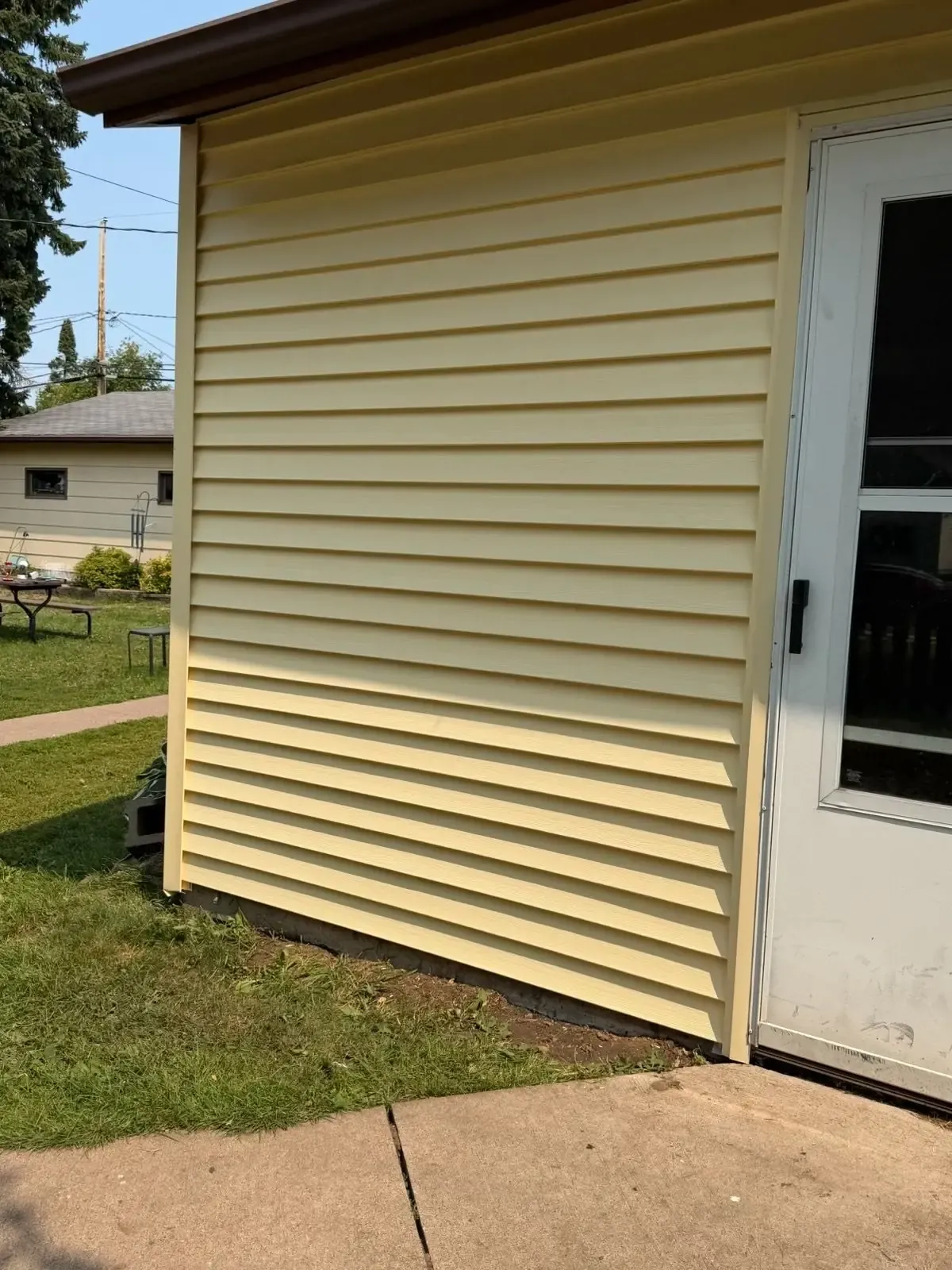
Lap siding, gable to grade Corner and door surround Siding, soffit and gutter line Trim returned into a door opening
Where we work
Siding Installation across the Twin Ports
Each service area page covers all twelve services and what makes building there different.
What homeowners say
Work that earns the referral.
Reviews left by Covenant Builders customers on Google.
“Went with Covenant Builders as they were the least expensive of 3 estimates. They did the roof on my house and garage in one 12 hour day with high quality products. Their cleanup was also great. I literally found just one nail after they were done. Roof looks great and so far has been leak free.”
Matthew ZemlerRoof replacement · via Google “Jared was great to work with. Out of all the contractors that gave a bid on doing the roof of my house, he did the best inspection to help minimize surprise costs. He is professional, polite, and respectful. I had a great experience working with him!”
Abby DuggerRoof replacement · via Google “I had an excellent experience from start to finish with Jared and Covenant builders. The estimate process was easy to understand; I new exactly what I was getting and what I would be paying for it, no pressure at all. The work crew was efficient and took extra care not to damage my garden. I look forward to saving monry on my homeowners insurance with class 4 rated shingles.”
Karen St. GeorgeRoof replacement · via Google
FAQ
Siding Installation questions
What siding materials work best in this climate?
LP SmartSide engineered wood and fiber cement both perform well through Twin Ports freeze-thaw cycling and hold paint far longer than traditional wood. Vinyl is the budget option and is fine when installed correctly, though it becomes brittle in deep cold and is more prone to impact damage.
How long does a siding installation take?
Most homes take one to two weeks, depending on size, the amount of trim detail and how much sheathing repair turns up during tear-off. Weather is a bigger factor on siding than on roofing because the wall is open to the elements between tear-off and dry-in.
What happens if damaged sheathing is found?
It gets replaced before new siding goes on. Siding fastened to soft or rotted sheathing will not hold, and covering the damage traps the moisture that caused it. Sheathing damage is most common below windows, at wall-to-roof intersections and anywhere flashing was missing or wrong.
Can insulation be added during a siding project?
Yes. Insulated siding panels or a layer of rigid foam board over the sheathing both improve the wall's thermal performance, and a siding tear-off is the only practical time to do it. Which approach makes sense depends on the wall assembly and the budget, and gets decided during planning.
How is siding detailed around windows and doors?
Flashing is installed above and around every opening to direct water out and away from the framing, and trim is fitted tight to close the gap without trapping water behind it. Openings are where siding jobs leak, so the flashing sequence matters more than the siding itself.
Other services
One contractor for the whole house.
Roofing
Full roof replacement built for heavy snow load, ice dams and freeze-thaw cycles.
Learn moreGutter Installation
Seamless gutters sloped and mounted to carry snowmelt away from your foundation.
Learn moreWindow Installation
Insulated replacement windows that cut drafts and lower winter heating costs.
Learn moreDoor Installation
Insulated entry and patio doors installed square, sealed and weather-tight.
Learn moreInterior & Exterior Painting
Prep-first painting that holds its finish through Minnesota temperature swings.
Learn moreKitchen Remodeling
Full kitchen renovation with cabinetry, layout changes and finish carpentry.
Learn more
Ready to talk about siding installation?
Call, or send a few details about the property and we will get back to you with next steps.
Mon-Sat 7:00 am to 7:00 pm · Closed Sunday